
Yesterday, I stumbled onto the KQED YouTube video about making memes. I love memes! They’re witty, relatable, and often capture a truth about life in a way that words alone cannot. A meme is a humorous image, video, or text that is copied, often with slight variations, and spread rapidly across the internet.
As I watched, I started wondering: How could I incorporate memes into my English class in a meaningful way? The timing was perfect. We are just wrapping up The Joy Luck Club, and I had the computer lab booked!
The Assignment: Meme-Making with a Purpose
Rather than asking students to summarize the book or analyze a passage in a traditional essay format, I decided to challenge them to create their own memes—not about the novel itself, but about one of its central themes. I wanted students to make clever, insightful commentaries on life that reflected the same struggles we had explored in the novel.
To get them thinking, I started by sharing a few example memes. These focused on:
- Power struggles between children and their parents.
- Unrealistic expectations set by family members.
- The challenges of growing up and defining one’s identity.
We discussed how humor, irony, and exaggeration could be used to highlight these themes in ways that are both relatable and thought-provoking. I also encouraged students to consider their audience—Who would “get,” or understand, their meme? Who might relate to it the most?
Creativity Meets Critical Thinking
Once they had a solid understanding of the task, students jumped in. They scrolled through meme generators, brainstormed taglines, and debated whether their captions were too specific or universally relatable. It was fascinating to watch them engage with literature in this way—pulling from their own experiences while also drawing connections to the themes of The Joy Luck Club.
Some students created memes about immigrant parents and their high expectations, while others tackled the awkwardness of navigating two cultures at once. A few even explored the idea of generational trauma in a way that was surprisingly profound for a meme format
Here’s a progression you can follow to guide students:
Step 1: Decide on a Theme
Ask students to identify a theme they want to focus on when they create their memes.
Step 2: Complete an Advanced Google Search
Show your students how to do an Advanced Google Search to find images labeled for reuse. Most students probably haven’t ever done an advanced image search. Unfortunately, many teens grab and reuse images online without permission, so this is an important life lesson.
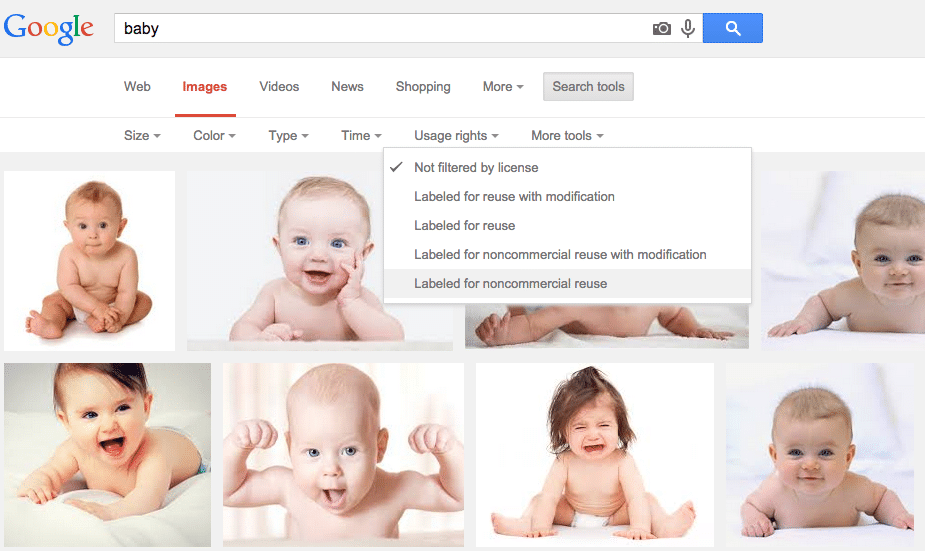
Step 3: Decide on an Image
Once they’ve decided on an image, have them save the picture to their device or take a screenshot.
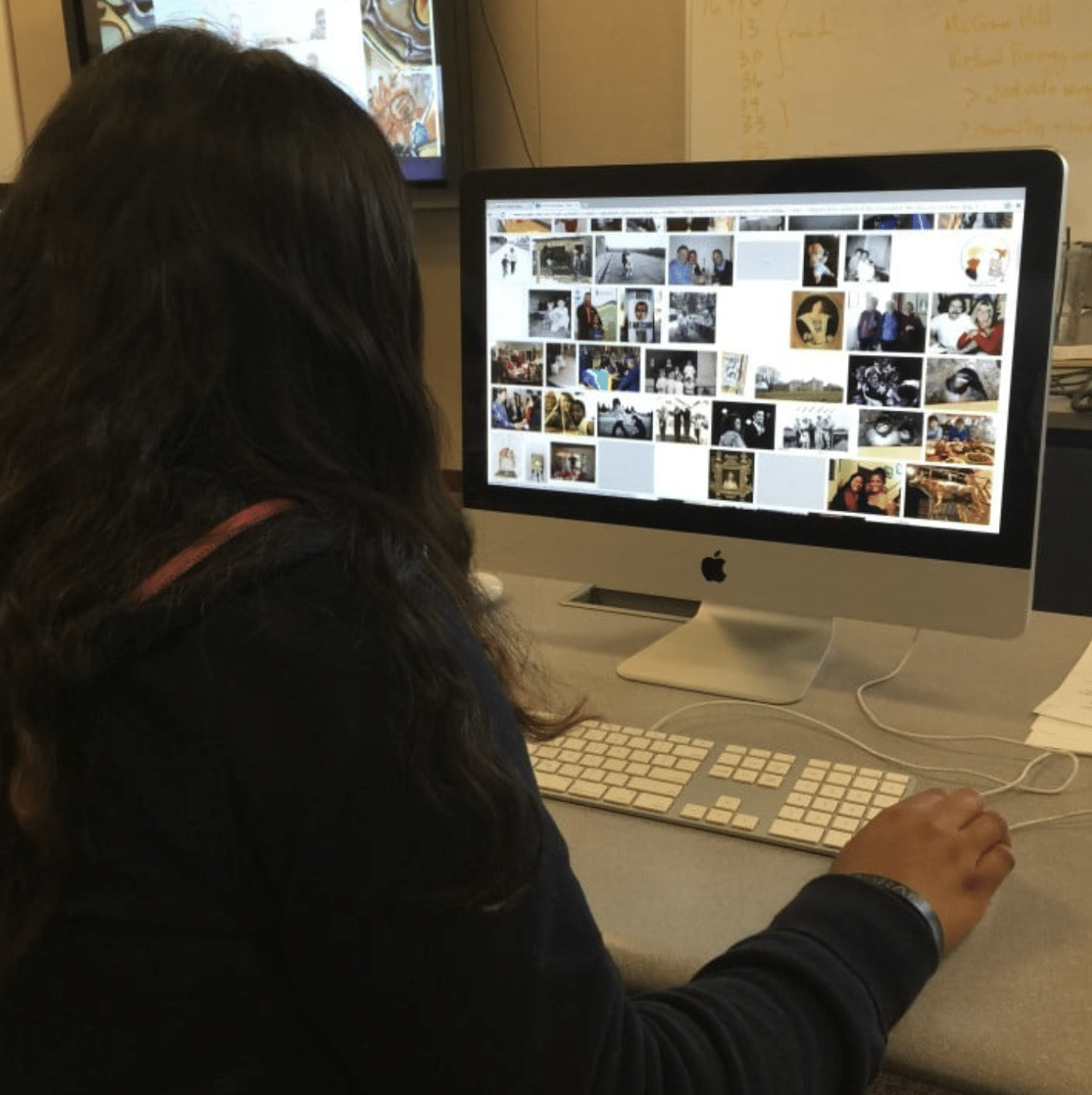
Step 4: Upload the Image to a Google Drawing
Ask students to log into their Google Drive, create a new Google Drawing, and upload their image. If you are using Google Classroom or Doctopus, you can create a Drawing for your students. If your students create their own Google Drawings, remind them to use a standard naming convention (e.g., Class Name—Last Name—Theme Meme).
Step 5: Add Clever Text!
Ask students to add text to their images to create memes. I reminded my students that their mix of media and text should send a clear and interesting message about their chosen theme.
Here are some of the memes my students created!

Teacher Tip: If you aren’t using Google Classroom or Doctopus, an easy way to collect all of your students’ memes is to ask students to complete a Google Form like the one below. That way, all the information and URLs of their Google Drawings are stored in a Google Spreadsheet.